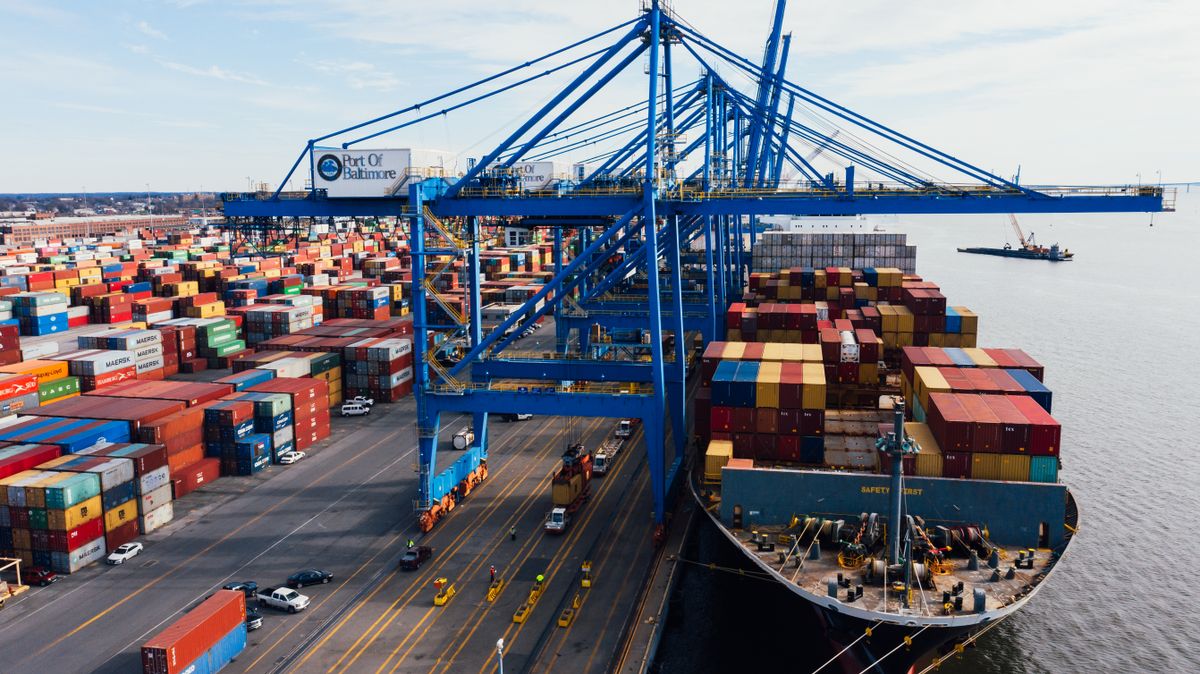
Klang, Kajang and Selayang are where much of the Klang Valley's real economy sits: the Port Klang logistics belt and the Meru and Kapar industrial areas, the shops and food outlets of Kajang, Bangi and Semenyih, and the warehouses and workshops of Rawang, Selayang and Gombak. They are also where foreign-owned companies most often get caught out, because each of these towns is governed by a different council with its own portal, checklist and licence term. This guide explains who licenses what, the documents each council actually asks for, how long a licence lasts, what the 2027 renewal season looks like, and what a foreign-owned Sdn. Bhd. must prepare before it signs a tenancy.
Quick answer (as at October 2026): A business in Klang, Kajang or Selayang needs a premise business licence and, for its signboard, an advertisement licence from the council that covers the address: Majlis Bandaraya Diraja Klang (MBDK) for Klang, Port Klang and Meru; Majlis Perbandaran Kajang (MPKj) for Kajang, Bangi and Semenyih; and Majlis Perbandaran Selayang (MPS) for Selayang, Rawang and most of Gombak. All three license under the Local Government Act 1976 (Act 171) and their 2007 trade-licensing by-laws. MPKj lets applicants choose a licence term of 1 to 3 years. MPS has announced that 2027 renewals can be paid from 19 October 2026 and must be paid before 31 December 2026 to avoid a 10% late charge. A foreign-owned Sdn. Bhd. applies in the company's name; foreign individuals do not receive Selangor business licences in their own name.
| Question | Short answer (Klang, Kajang, Selayang — October 2026) |
|---|---|
| Who issues the licence? | The council for the address: MBDK (Klang), MPKj (Kajang/Bangi/Semenyih), MPS (Selayang/Rawang/Gombak) |
| Legal basis | Local Government Act 1976 (Act 171), ss.102 and 107, plus each council's Undang-Undang Kecil Pelesenan Tred, Perniagaan dan Perindustrian 2007 |
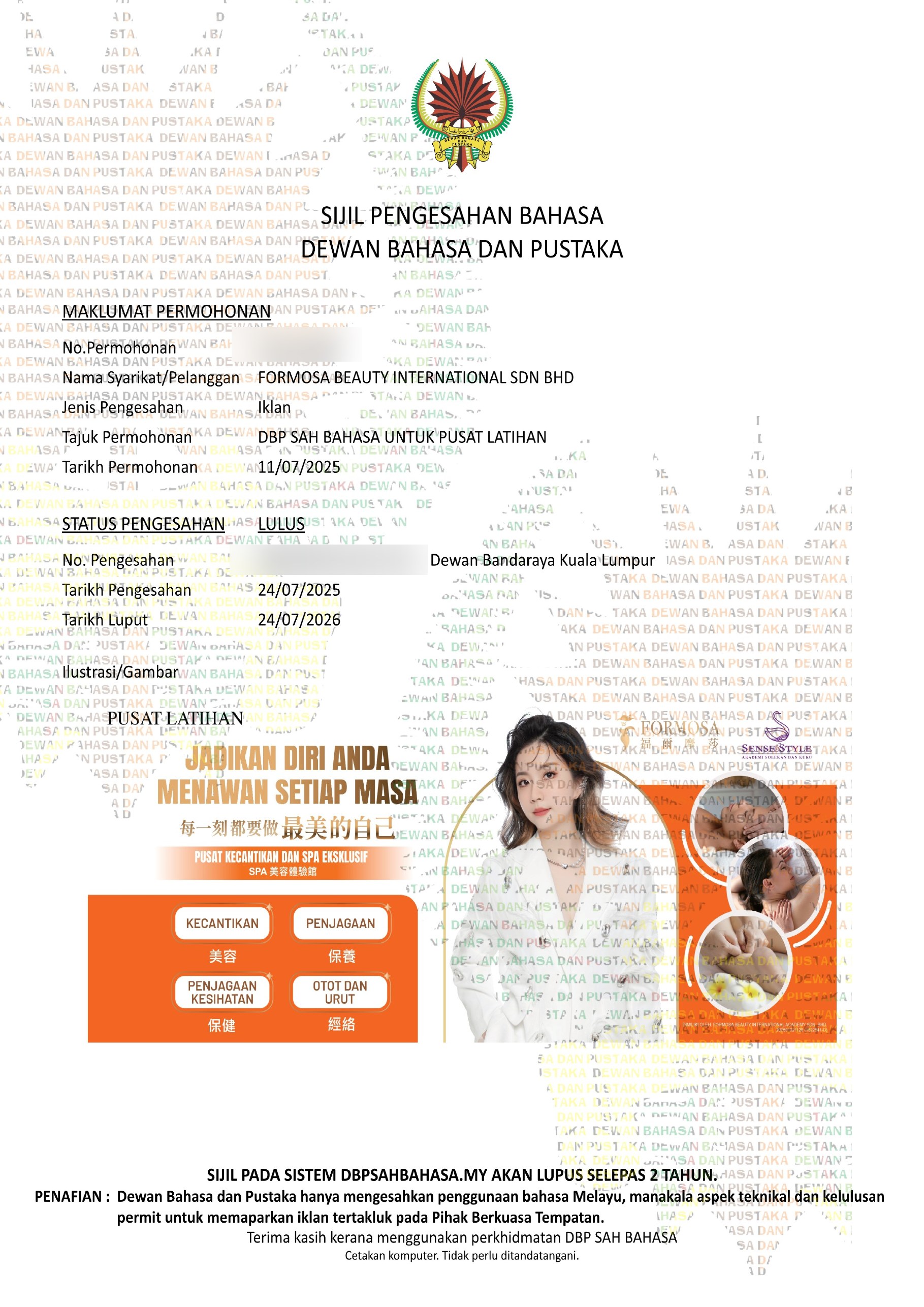
| What it covers | The premises and the activity; the signboard needs an advertisement licence with Dewan Bahasa dan Pustaka (DBP)-vetted wording |
| Online channels | MBDK: MyLesen (mylesen.mbdk.gov.my). MPKj: eLesen. MPKS (Kuala Selangor): IP3KS for instant licences, eLesen for risky ones |
| Licence term | MPKj: applicant chooses 1–3 years. Act 171 s.107(4) allows up to three years for any council |
| 2027 renewal | MPS: pay from 19 Oct 2026, before 31 Dec 2026, or 10% late charge on the licence rate; risk of closure and seizure |
| Foreign-owned company | Applies as the Sdn. Bhd.; supermarkets and other distributive trade also need KPDN WRT approval (MPS checklist) |
Three councils, three rulebooks: find your council first
Company registration with SSM and a council licence are two separate layers. SSM creates the legal entity; the council licenses a specific address for a specific activity. A company with one SSM number and outlets in Klang and Kajang needs two council licences from two councils, and each council will apply its own checklist and its own idea of what a "complete" application looks like.
The three councils in this guide each cover more ground than their names suggest:
- MBDK — Majlis Bandaraya Diraja Klang. Formerly Majlis Perbandaran Klang (MPK). The Sultan of Selangor proclaimed it a royal city council on 5 February 2024, with effect from 23 November 2023, making it the third royal city council in Malaysia after Alor Setar and Johor Bahru. It covers Klang town, Bandar Botanic, Meru, Kapar, Pulau Indah and the Port Klang logistics belt. Its by-laws still carry the old name, for example the Undang-Undang Kecil Pelesenan Tred, Perniagaan dan Perindustrian (Majlis Perbandaran Klang) 2007.
- MPKj — Majlis Perbandaran Kajang. A municipal council covering Kajang, Bandar Baru Bangi, Semenyih, Balakong and parts of Cheras on the Selangor side. Despite periodic talk of city status, it remains a municipal council as of October 2026.
- MPS — Majlis Perbandaran Selayang. Covers Selayang, Rawang, Batu Arang, Kundang, Kuang, Gombak and the Selangor side of Kepong. In May 2026 the Menteri Besar said Selayang needs a larger integrated plan to reach city status by 2030, so for now it is also a municipal council.
Postal addresses are a poor guide. A "Kepong" or "Cheras" address can sit in Kuala Lumpur (DBKL) or Selangor, and a "Klang" industrial park may in fact be in Shah Alam (MBSA). The reliable test is the assessment (cukai pintu) bill for the unit: the council that issues it is the council that will license you. If you are comparing locations across the Klang Valley, our business premise licence hub maps every council from DBKL to MBSA.
The legal basis: Act 171 and the 2007 by-laws
All three councils license under the Local Government Act 1976 (Act 171). Section 102 lets a council make licensing by-laws, and section 107 governs the licence itself: a council can attach any conditions it thinks fit, revoke a licence, and refuse to grant or renew one without giving reasons. Section 107(4) allows a licence to run for up to three years, and the licence must be displayed at the premises and produced on demand.
Each council then has its own Undang-Undang Kecil Pelesenan Tred, Perniagaan dan Perindustrian made in 2007 on a common Selangor template, with sections on the licence term, renewal, cancellation and the effect of expiry. Food businesses are additionally licensed under each council's food establishment by-laws, and entertainment outlets under the Selangor Entertainment and Places of Entertainment Enactment 1995. On 30 September 2026, for example, MBDK reported seizures in Meru and Pulau Indah under the MPK 2007 trade-licensing by-laws, the MPK 2007 food-establishment by-laws and section 6(1) of the 1995 Enactment, after finding houses used as grocery shops and eateries run without licences.
MBDK (Klang): MyLesen and the Port Klang belt
MBDK handles applications, payments and renewals through its MyLesen licensing portal. The process mirrors the older iLesen user manual from the Majlis Perbandaran Klang era:
- Register an individual user account and activate it by email.
- Register the company or business in the system (tick that you have a registered company and enter the SSM details).
- Submit a new licence application for the premises and the signboard, and upload the supporting documents.
- Pay the processing fee; once approved, pay the licence fee and any deposit online.
MBDK's caseload is dominated by logistics, warehousing, workshops, food outlets and retail around Meru, Kapar and Pulau Indah. Warehouses and workshops often need more than a premise licence: the building's industrial use must be approved, and the council may ask for Fire and Rescue Department (Bomba) clearance and Department of Environment conditions for workshops and processing activities. For a Port Klang warehouse, confirm the lot's permitted use and that the CCC covers the warehouse use before you take the unit. ONEKEY's MBDK business licence application service starts with exactly that check.
MBDK is also visibly active on enforcement. Its September 2026 operations targeted unlicensed businesses run from houses and businesses operated by foreigners without licences. Klang's mayor has said publicly that business at council and government premises must be run by licensed locals, and that MBDK can cancel licences and terminate tenancies where a stall is sublet to a foreigner without council approval.
MPKj (Kajang, Bangi, Semenyih): eLesen and the 1–3 year licence
MPKj takes most applications through its eLesen portal: you register an account, upload documents, pay and print online. Its published licensing guideline for business and industrial premises sets the conditions that the inspection officer will check, and one of them is unusually useful: applicants may choose a licence validity of 1 to 3 years. That makes Kajang one of the councils where a multi-year licence is already the standard option rather than a proposal.
The MPKj guideline also lists conditions that catch first-time operators:
- Nothing may be placed on the five-foot way, and the business must not obstruct traffic.
- Adequate council-approved waste bins (MGB 240-litre or 660-litre) and a complete first-aid box.
- The state or national flag displayed at the premises.
- MPKj must be told if the business moves, changes or stops.
- Conditions from Bomba, the Department of Environment and DOSH must be followed; effluent and scheduled wastes may not go into drains without treatment.
- Convenience stores in areas with a majority-Muslim population may not sell beer or other alcohol.
MPKj's licensing caseload leans heavily towards food. Our Aicha case study follows a real MP Kajang food-and-beverage licence from the tenancy check to issue. If you are opening a restaurant, read the F&B licensing guide for foreign-owned restaurants as well, because a food outlet needs typhoid vaccination and food-handler training for staff on top of the premise licence. ONEKEY handles MP Kajang business licence applications end to end.
MPS (Selayang, Rawang, Gombak): the official checklist
MPS publishes a checklist for premise business and advertisement licences. For a Sdn. Bhd. it asks for:
| Item | What MPS asks for | What to bring in 2026 |
|---|---|---|
| Company documents | "Borang 9, MAA, Borang 24, Borang 49" | These are old Companies Act 1965 forms. Bring the CA2016 equivalents: Section 17 notice of registration, the constitution if any, and an SSM company profile showing shareholders and directors |
| Premises | Floor plan, location plan, tenancy agreement or land title | Stamped tenancy agreement plus a simple floor plan of the unit |
| Identity | Copy of IC or passport | Director's IC or passport |
| Signboard | Coloured visual approved by DBP, photo of the sign position | DBP-vetted artwork and a photo of the shopfront |
| Fire safety | Fire extinguisher receipt; photo of extinguisher hung 1 metre from the floor | Receipt and photo |
| Building | Assessment bill or confirmation; CF or confirmation from the MPS Building Department | Paid assessment bill and the CCC or CF |
| Housekeeping | Photos of rubbish bins and first-aid box | Photos |
| Agent | Authorisation letter if an intermediary submits | Company letter authorising ONEKEY or your agent |
The checklist then adds activity-specific documents. Food premises need typhoid vaccination and food-handling course certificates for the owner and helpers, a pest-control contractor appointment, Ministry of Health FoSIM registration and a photo of the installed grease trap. Kindergartens and tuition centres need state Education Department approval, money lenders and pawnshops need their KPKT licence, and money changers need a Bank Negara Malaysia licence. Most important for foreign investors: hypermarkets, supermarkets, department stores, distributive trade and specialty stores owned by non-citizens must attach the distributive trade committee approval from KPDN, which is the WRT licence. A foreign-owned trading company that opens a shop in Rawang without WRT will not get past the MPS counter. ONEKEY's MP Selayang business licence service builds the activity-specific list for you.
Kuala Selangor and Kuala Langat: the neighbouring councils
Two more councils often come up for factories and warehouses on the edge of the Klang Valley. Majlis Perbandaran Kuala Selangor (MPKS) splits its online services by risk: low-risk "instant" licences (lesen serta merta) are applied for and renewed through its IP3KS system, while risky activities go through eLesen. Majlis Perbandaran Kuala Langat covers Banting, Jenjarom, Telok Panglima Garang and the industrial areas south of Klang. Both use the same Act 171 structure, but their inspection teams and processing times differ. ONEKEY handles MPKS and Kuala Langat applications as well.
What foreign-owned companies must prepare
Selangor's councils do not issue business licences to foreign individuals. State executive councillors have said publicly that none of the 12 Selangor councils issues business licences to foreigners, and that local licence holders who rent their licence or stall to foreigners will be blacklisted. This does not stop a foreign-owned company from trading: a Sdn. Bhd. is a Malaysian legal person, and the licence is issued to the company. What it means in practice:
- Apply in the company's name, with a director as the contact person, and keep the company's SSM records current. A change of address or business activity at SSM should be reflected in the licence before renewal.
- Sort out sector approvals first. A foreign-owned retail, wholesale or distribution business needs KPDN WRT approval before the council licence; a manufacturing operation above the Industrial Co-ordination Act threshold needs a MIDA manufacturing licence.
- Staff are separate. Foreign employees need valid immigration passes. Councils check premises, Immigration checks workers, and joint operations do both.
- Never "borrow" a local's licence. Operating under a Malaysian individual's licence is exactly the arrangement councils are cancelling, and the business has no protection when it happens.
Fees, time and renewal
| Item | MBDK (Klang) | MPKj (Kajang) | MPS (Selayang) |
|---|---|---|---|
| Online system | MyLesen | eLesen | Counter checklist; online payment for renewals |
| Licence fee | By activity and floor area under the council's fee schedule; signboard by size | By activity and area; signboard by size | By activity and area; signboard by size |
| Licence term | Annual (renewal each year) | 1–3 years, chosen by applicant | Annual (renewal for 2027 now open) |
| 2027 renewal window | Renew before year-end expiry | Depends on the term chosen | Pay from 19 Oct 2026; before 31 Dec 2026 to avoid 10% late charge |
| Typical approval | Low-risk premises can be approved quickly after a complete submission; risky activities (food, workshops, entertainment, chemicals) wait for inspection and technical-department comments, often several weeks | ||
Fees are set per council and per activity, so treat any single number quoted online with caution. For budgeting, the bigger costs are usually upstream: the fit-out needed to pass inspection, DBP signboard vetting, fire equipment, and for food outlets the grease trap and staff vaccinations.
Renewal is where licences lapse. MPS's 2027 notice is blunt: renew before 31 December 2026 or pay a 10% late charge, and failure to renew can lead to the premises being closed and goods seized. If you also hold licences with MBPJ, MBSJ or MBSA, our Selangor 2027 renewal guide sets out their windows and by-law penalties. Under the MBPJ version of the same 2007 by-law template, a general offence carries up to RM2,000 or one year, plus RM200 a day for a continuing offence.

Where applications go wrong
- Wrong council. The address says Klang or Kepong; the assessment bill says otherwise.
- Unlicensable building. A shophouse with no CF, a warehouse on agricultural land, or a residential unit used as a shop. MBDK's September 2026 raids were aimed at exactly this.
- Signboard first, approval later. A sign put up before DBP vetting and the advertisement licence often has to be redone.
- Missing sector licence. Foreign-owned retail without WRT, a money changer without BNM, a tuition centre without Education Department approval.
- Activity drift. A licence for a "retail shop" does not cover a café corner or a warehouse used for repacking. Add the activity before you start it.
- Missed renewal. Expiry is the end of the licence period, not the date the council sends a reminder.
Handle it yourself or hand it over?
A single low-risk office in a building with a clean CF is a reasonable do-it-yourself job, especially at MPKj or MBDK where the portals walk you through it. A food outlet, a workshop, a warehouse with repacking, a foreign-owned retail business, or several outlets across Klang, Kajang and Selayang is where an agent earns its fee: the premises check, the activity-specific document list, DBP vetting, Bomba and health requirements, and a renewal calendar that does not depend on someone remembering.
ONEKEY BIZ handles council licensing across MBDK, MPKj, MPS, MPKS and Kuala Langat as part of a single setup for China and foreign-owned companies, together with SSM, WRT and work passes. Start with our Klang (MBDK) business licence application, or talk to us about a multi-outlet plan. WhatsApp +60 12-321 1349.
Frequently asked questions
How do I apply for a business licence in Klang (MBDK)?
Apply to Majlis Bandaraya Diraja Klang (MBDK) through its MyLesen portal: register a user account, register the company with its SSM details, submit the premise and signboard application with supporting documents, pay the processing fee and, once approved, the licence fee. Check the building's CF or CCC and permitted use first — warehouses and workshops in Port Klang and Meru often also need Bomba and Department of Environment conditions.
What documents does MPS Selayang need for a business licence?
MPS's checklist asks for company documents (bring the SSM Section 17 notice and company profile in place of the old Forms 9, 24 and 49), floor and location plans, the tenancy agreement or land title, IC or passport, a DBP-approved coloured signboard visual, fire-extinguisher receipt and photo, assessment bill, CF or building department confirmation, and photos of bins and first-aid box. Food outlets, education centres, money lenders and foreign-owned retailers (KPDN WRT approval) need extra documents.
When is the deadline to renew a business licence in Selangor for 2027?
For Majlis Perbandaran Selayang (MPS), 2027 renewal payments open on 19 October 2026 and must be made before 31 December 2026 to avoid a 10% late charge on the licence rate; failure to renew can lead to closure of the premises and seizure. Other Selangor councils set their own windows — check the council that issues your licence.
Can a foreigner get a business licence in Selangor?
Selangor councils do not issue business licences to foreign individuals in their own name, and local licence holders who rent licences to foreigners face blacklisting and cancellation. A foreign-owned Sdn. Bhd. is a Malaysian company and can hold the licence in the company's name, provided sector approvals such as KPDN WRT for retail and distribution are in place.
How long is a Kajang (MPKj) business licence valid?
MPKj's licensing guideline lets applicants choose a validity of 1 to 3 years. Section 107(4) of the Local Government Act 1976 allows any council to issue licences for up to three years, but many councils still issue annual licences.
Related services
We handle the process described in this article end-to-end.
- MBDK Business Licence Application (Majlis Bandaraya Diraja Klang)Business premise licence with Klang Royal City Council (MBDK).
- MBSJ Business Licence Application (Majlis Bandaraya Subang Jaya)Business premise licence with Subang Jaya City Council (MBSJ).
- MBSJ Business Licence Renewal (Majlis Bandaraya Subang Jaya)Renew your existing MBSJ (Subang Jaya) business licence.
Sources & references
- MBDK — MyLesen licensing portal
- MBDK — Unlicensed businesses in Meru and Pulau Indah: seizures under the MPK 2007 by-laws (30 September 2026)
- MPKj — Licensing guidelines (Garis Panduan Lesen Perniagaan dan Perindustrian)
- MPS — Checklist for premise business and advertisement licence applications
- MPS — 2027 business licence renewal notice
- MPKS — Licensing services (IP3KS and eLesen)
This article is general information only, not legal, tax or immigration advice. Policies, thresholds and official fees are set by the relevant Malaysian authorities and may change. Talk to our consultants about your specific situation.