A foreign manufacturer usually hears about the Department of Environment (DOE) for the first time from someone else: the local council asks for DOE's view before it will process a planning application, MIDA asks whether an EIA was needed, or a landlord's lawyer asks for a DOE letter before releasing a factory. "DOE approval" sounds like one permit. It is not. Under the Environmental Quality Act 1974 (Act 127) it is a chain of separate instruments, each with its own trigger, its own timing and its own penalty, and since 7 July 2024 those penalties start at five figures and run to RM10 million. This guide sets out which ones apply to a factory, in what order, and how to tell before you sign for land.
Quick answer (as at November 2026): does a factory in Malaysia need DOE approval? Not every factory needs a formal DOE approval, but almost every factory triggers at least one DOE duty. An EIA approval is needed only if the project is a prescribed activity under the EIA Order 2015 (P.U.(A) 195/2015), for example chemical plants of 100 tonnes a day or more. Most factories instead need written notifications to DOE at least 30 days before building or installing anything that creates a new air emission (Clean Air Regulations 2014, reg. 5) or a new industrial effluent source (Industrial Effluent Regulations 2009, reg. 4). Prescribed premises such as palm oil mills need a written permission and licence (EQA ss.18–19). Since Act A1712 came into force on 7 July 2024, missing these carries fines of RM25,000 to RM10 million.
| Instrument | When it is triggered | When to file | Legal basis |
|---|---|---|---|
| Site suitability assessment | New industrial project; DOE support is usually needed before planning permission | Before buying or leasing land | DOE siting guidelines (SZIRA 2012, EESIM 2017) |
| EIA report approval | Activity listed in the First or Second Schedule of the EIA Order 2015 | Before the project is approved or carried out | EQA s.34A; P.U.(A) 195/2015 |
| Written notification (air) | New source of emission, new building for such a purpose, material change to an existing source or control system | At least 30 days before the work starts | Clean Air Regulations 2014, reg. 5 |
| Written notification (effluent) | Work that creates a new source of industrial effluent, or changes its quality or quantity | Before the work, construction or upgrade starts | Industrial Effluent Regulations 2009, reg. 4 |
| Written permission + licence | Prescribed premises (crude palm oil, raw natural rubber, off-site scheduled waste facilities) | Permission before construction; licence before occupation | EQA ss.18, 19 |
| Post-start declarations | Air pollution control system installed | Within 30 days after operations start, with as-built drawings | Clean Air Regulations 2014, reg. 7 |
Why "DOE approval" is really five different things
The Environmental Quality Act 1974 is a framework statute. It sets out offences and gives the Minister and the Director General of Environmental Quality power to make orders and regulations. The day-to-day controls sit in those subsidiary instruments: an order that lists which projects need an Environmental Impact Assessment, regulations on clean air, regulations on industrial effluent, orders that declare certain premises "prescribed", and regulations on scheduled waste.
MIDA's investor booklet summarises the result for industry. Before project implementation, an industrial activity may need: an EIA for prescribed activities; a written notification to construct any facility that will create a new source of industrial effluent or a new source of emission; and a written permission and licence to construct, occupy and operate prescribed premises. On top of that sits the site suitability assessment, which is guidance rather than a statutory approval but which, in practice, decides whether the local planning authority will let the project proceed.
So the useful question is never "do we have DOE approval?" It is "which of these five instruments does our process trigger, and have we filed each one at the right time?"
If you are not sure which of them applies, a written answer from DOE is worth having before you commit capital. That is what our DOE approval service in Malaysia is built around: we assess the process, emissions, effluent and wastes first, then file what applies or request DOE's official opinion letter.
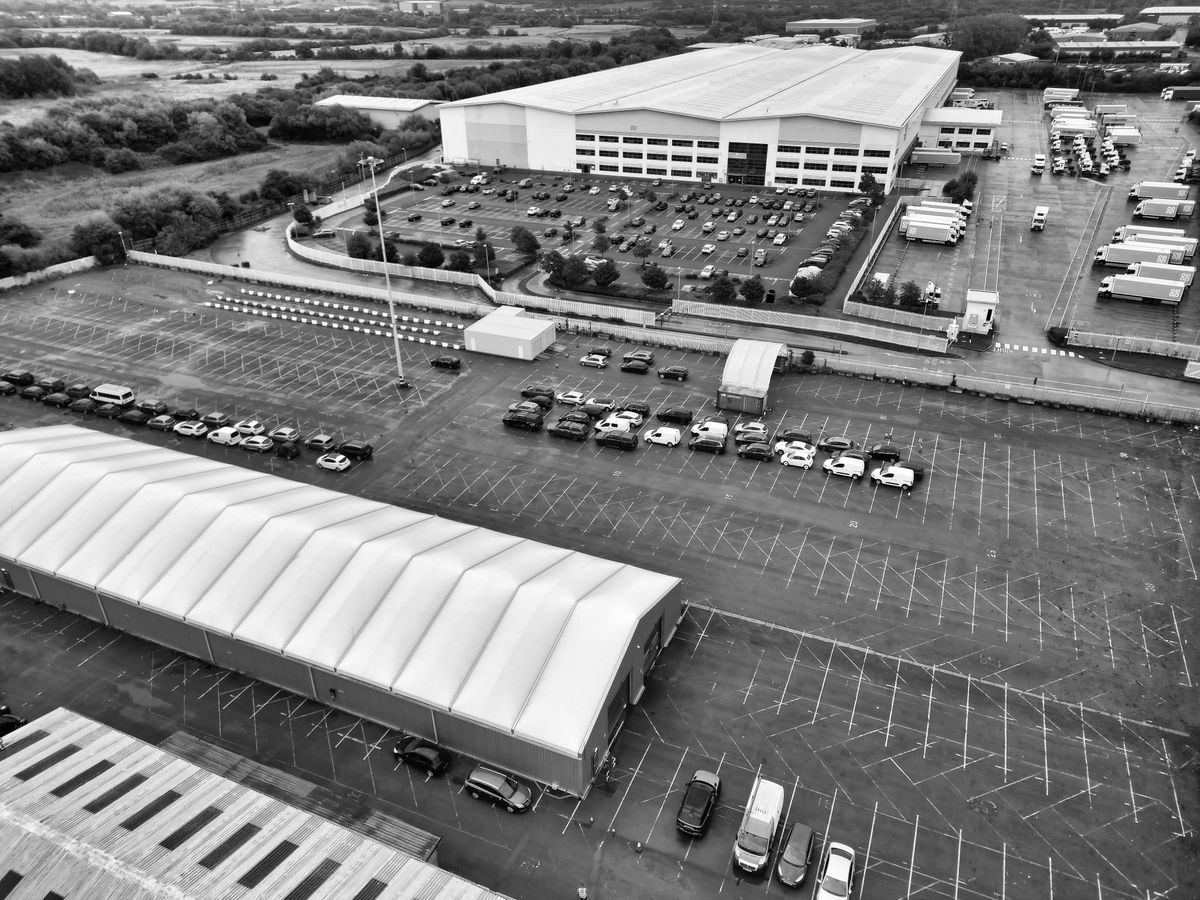
Step 1: the site suitability assessment, before you sign for land
The cheapest DOE problem to fix is the one you find before the sale and purchase agreement. MIDA's booklet describes the site suitability assessment as a check, before an industrial project is planned, that the proposed location is suitable for its purpose. DOE's two guidance documents for this are the Guidelines for the Siting and Zoning of Industries and Residential Areas (SZIRA) 2012 and the Environmental Essentials for the Siting of Industries in Malaysia (EESIM) 2017.
The assessment looks at four things:
- whether the activity is compatible with the gazetted structure plan and local plan;
- the surrounding land use, and the setbacks or buffer zones that PLANMalaysia sets for that class of industry;
- whether the area can absorb the additional pollution load, including the river or drain that will receive treated effluent;
- how the plant will dispose of its wastes.
The commercial lesson is simple. Industrial land is zoned by class: light, medium, heavy. A plot that is cheap because it is zoned light industry will not take a process DOE classes as medium or heavy, and without DOE support the planning department will not approve the development order. Ask the question while the land is still under offer, not after the deposit is paid. We cover the land side in our guide to buying or leasing industrial land in Malaysia.
Step 2: does the project need an EIA?
An EIA is required only for prescribed activities. Section 34A of the Act gives the Minister power to list them, and the current list is the Environmental Quality (Prescribed Activities) (Environmental Impact Assessment) Order 2015, P.U.(A) 195/2015, gazetted on 28 August 2015. It replaced the 1987 Order.
The Order has two schedules. Paragraph 3 says First Schedule activities do not require public display and public comment unless the Director General instructs otherwise in writing; Second Schedule activities do. Both need an approved EIA report before the activity is carried out.
| Activity | First Schedule (no public display) | Second Schedule (public display and comment) |
|---|---|---|
| Chemical | 100 tonnes or more per day of each or combined products | — |
| Petrochemicals | Less than 50 tonnes per day | 50 tonnes or more per day |
| Cement | Grinding plant, 200 tonnes or more per day | Clinker, 30 tonnes or more per hour |
| Iron and steel | — | 100 t/day from iron ore, or 200 t/day from scrap |
| Non-ferrous smelting | — | Primary aluminium or copper (all sizes); other metals 50 t/day or more |
| Pulp and paper; recycled paper | — | 50 tonnes or more per day |
| Lime | Rotary kiln 100 t/day or vertical kiln 50 t/day or more | — |
| Shipyards | 5,000 DWT or more | — |
| Industrial estate development | 20 hectares or more | — |
| Power station | Fossil fuel (non-coal) steam, 10 MW or more; any combined cycle | Coal-fired 10 MW or more; nuclear |
| Scheduled waste facilities (off-site) | Recovery plant, wastewater treatment plant, storage facility | Thermal treatment, lead-acid battery recovery, secure landfill |
Most electronics assembly, food processing, furniture, plastics moulding and light engineering plants fall outside both schedules. That does not take them outside DOE. It moves them to the written notifications in Step 3.
Splitting a project does not avoid the Order
Paragraph 3(4) catches the two usual workarounds. A prescribed activity "divided into a size or quantum smaller than" the schedule threshold is still prescribed, and so is an activity that grows in size or quantum until it crosses a threshold. A chemical plant built as two 60-tonne lines is a 120-tonne plant. An expansion from 80 to 110 tonnes a day needs an EIA for the expansion.
Who prepares the report, and how long DOE takes
The report must be prepared by a consultant registered with DOE, following DOE's Environmental Impact Assessment Guideline in Malaysia. For Second Schedule projects, the consultant first submits terms of reference for endorsement, then the report itself. DOE's Director General stated in October 2024 that, under the department's client charter, decisions are issued within 25 days for First Schedule reports and 60 days for Second Schedule reports once a complete report is received. Public display adds its own weeks for Second Schedule projects. Budget the consultant's study period on top: baseline sampling and modelling usually take longer than DOE's review.
Sabah and Sarawak are different. Paragraph 4 applies the federal Order there only for listed items (including item 6, industry); other activities fall under the state's own environmental law.
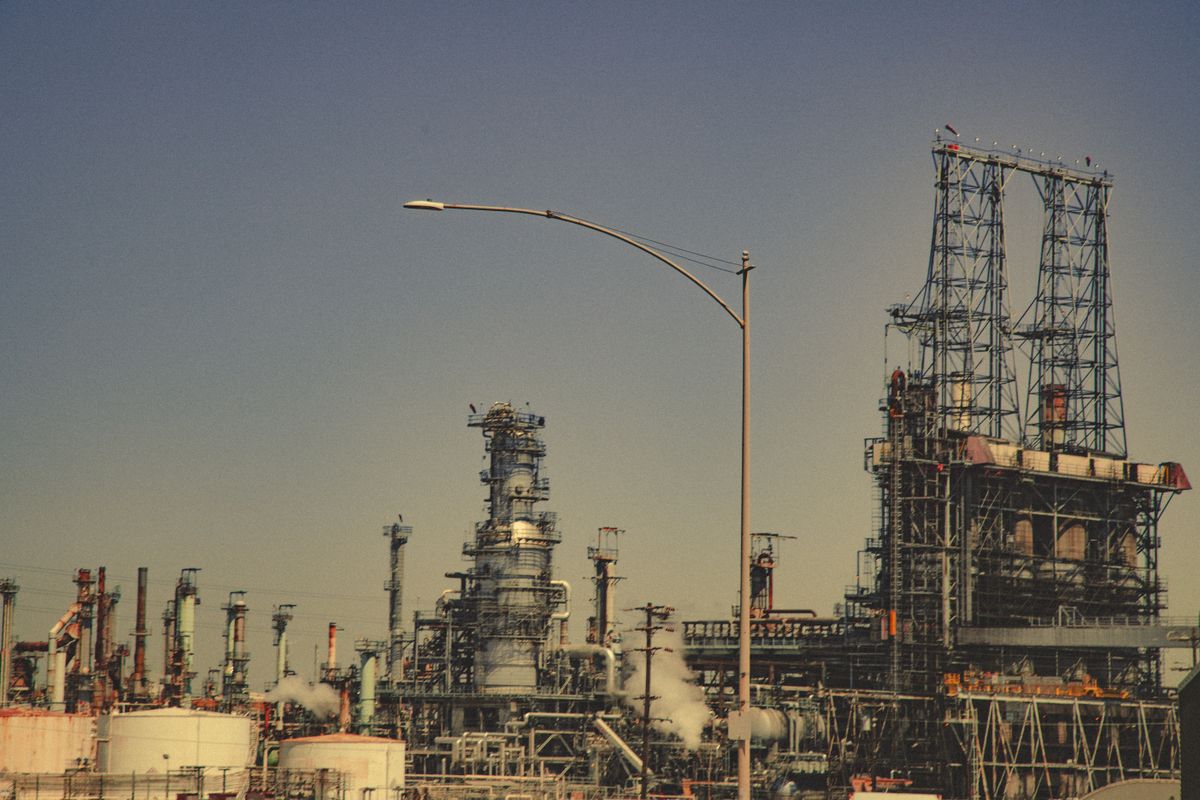
Step 3: the 30-day written notification for air emissions
This is the duty most foreign manufacturers actually trigger, and it is often described wrongly. The old Clean Air Regulations 1978 required prior written approval to install fuel burning equipment. The Environmental Quality (Clean Air) Regulations 2014, P.U.(A) 151/2014, replaced that with a prior written notification. It is quicker, but the filing is still mandatory.
Under regulation 5(1), an owner or occupier shall not, without prior written notification to the Director General:
- carry out any change in operation of the premises;
- carry out any work on premises that may result in a source of emission;
- construct any building or premises designed or used for a purpose that may result in a new source of emission;
- change any plant, machine or equipment in a way that materially changes the quantity or quality of emission from an existing source; or
- change or modify an existing air pollution control system.
Regulation 5(2) sets the timing: the notification goes to the Director General not less than thirty days before the work starts, in the form the Director General determines. DOE runs this through its CARNotification online system.
"Fuel burning equipment" is defined widely: any furnace, boiler, fireplace, oven, retort, internal combustion engine, vessel, stack or chimney used in burning combustible material. A standby diesel generator, a thermal-oil heater or a curing oven is enough. Equipment rated to burn solid fuel at 30 kg an hour or more, or liquid or gaseous fuel at 15 kg an hour or more, must also meet the emission limit values in the regulations.
The duty does not end at start-up. Within 30 days after operations begin, regulation 7 requires a written declaration certifying the design and construction of the air pollution control system, together with as-built drawings.
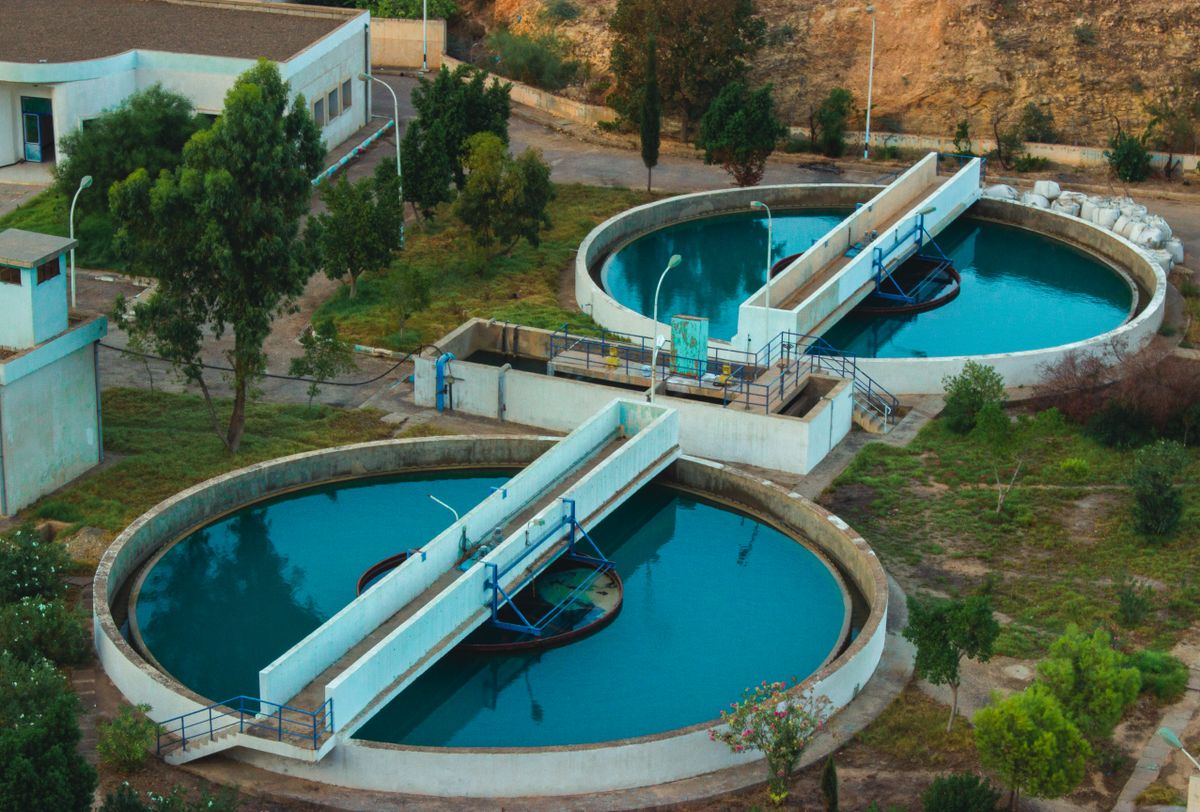
Step 4: the written notification for industrial effluent
The Environmental Quality (Industrial Effluent) Regulations 2009 run on the same logic for wastewater. Regulation 4 requires prior written notification to the Director General before carrying out work on premises that may result in a new source of discharge of industrial or mixed effluent, before constructing a building or facility that may become such a source, and before work that changes the quality or quantity of effluent from an existing source, including an upgrade of the industrial effluent treatment system (IETS). The notification uses the form in the Second Schedule to the Regulations and is filed before the work starts.
Once the plant operates, the Regulations require as-built drawings of the treatment system, a competent person to operate it, and discharge within the limits for the receiving water. A plant upstream of a public water intake is held to the stricter Standard A.
Step 5: prescribed premises need a permission and a licence
A small number of activities are controlled more tightly as prescribed premises. The orders made under the Act cover crude palm oil mills, raw natural rubber factories, and off-site scheduled waste treatment and disposal facilities. For these, section 19 requires the Director General's written permission before any work is carried out that will result in the premises becoming prescribed premises, and section 18 requires a licence to occupy or use them. Licences carry conditions under section 16.
All three provisions now carry the same penalty: a fine of RM25,000 to RM250,000, imprisonment of up to five years, or both, plus RM1,000 a day after the Director General serves notice.
A manufacturer that only generates scheduled waste is not a prescribed premises. It does, however, carry the Scheduled Wastes Regulations duties: notification within 30 days of generation, storage limits, licensed contractors and eSWIS records. We cover those in our guide to scheduled waste and DOE factory compliance in Malaysia.
What the penalties look like after Act A1712
The Environmental Quality (Amendment) Act 2024 (Act A1712) received Royal Assent on 27 May 2024, was gazetted on 6 June 2024 and, according to DOE, came into force on 7 July 2024. It did not create new approvals. It replaced the penalty in almost every section with a minimum and maximum fine, and in several sections made imprisonment mandatory.
| Section | Offence | Penalty |
|---|---|---|
| s.16, s.18, s.19 | Breach of licence conditions; prescribed premises without licence or permission | RM25,000–RM250,000 or up to 5 years, or both; + RM1,000/day |
| s.22 | Air pollution beyond acceptable conditions | RM10,000–RM1 million or up to 5 years, or both; + up to RM1,000/day |
| s.24 | Pollution of soil | RM50,000–RM500,000 or up to 5 years, or both |
| s.25 | Pollution of inland waters | Imprisonment up to 5 years and RM50,000–RM10 million |
| s.34A | Prescribed activity without approved EIA | Imprisonment up to 5 years and RM100,000–RM1 million |
| s.34B | Scheduled waste offences | Imprisonment up to 5 years and RM100,000–RM10 million |
| s.37 | Failing to give information, or false information | RM5,000–RM50,000 or up to 2 years, or both |
| s.45 | Compounding | Up to 50% of the maximum fine |
| s.51(3) | Offences under regulations (e.g. missed notifications) | Regulations may set up to RM100,000 or 5 years; + RM1,000/day |
Two points matter for a foreign-owned company. First, the compound ceiling moved from a fixed sum to half of the maximum fine, so a compound offer on a RM10 million offence can reach RM5 million. Second, the Act's officer-liability provisions mean directors and managers are exposed alongside the company. Approval timing is a board issue, not only an engineering one.
Putting it in order: a factory timeline
For a typical foreign manufacturer outside the EIA schedules, the DOE steps slot into the wider project like this:
- Before signing for land or a factory: classify the process, check zoning and buffers against DOE's siting guidance, and get DOE's view in writing if there is any doubt.
- Before planning permission: if the project is a prescribed activity, appoint a DOE-registered consultant and get the EIA approved. The approval is submitted to the project approving authority with the other technical approvals.
- At least 30 days before construction or installation: file the Clean Air notification for every emission source and the Industrial Effluent notification for every effluent source.
- During construction: keep the installed equipment the same as what was notified. A bigger boiler or a different scrubber is a change that needs its own notification.
- Within 30 days of starting operations: submit the air pollution control declaration and as-built drawings; register scheduled waste and start eSWIS records.
The DOE track runs in parallel with the others: the MIDA manufacturing licence (see our manufacturing licence guide), DOSH certificates of fitness for boilers and pressure vessels (see which machinery needs a DOSH certificate of fitness), Bomba and the certificate of completion and compliance. Our end-to-end factory setup guide shows how they fit together.

Five mistakes that cost foreign manufacturers the most
- Treating DOE as the last approval. The site assessment and any EIA come before planning permission. Leaving DOE to the end can mean a site the planners will not approve.
- Assuming "no EIA" means "no DOE". Most factories are outside the EIA Order and still need the 30-day notifications.
- Installing first and notifying later. Regulation 5(2) requires notice at least 30 days before the work, not before start-up.
- Forgetting expansions. A second production line, a larger generator or an upgraded effluent plant is a new notification, and an expansion can push a plant over an EIA threshold.
- Relying on the landlord's paperwork. DOE notifications relate to the occupier's process. The previous tenant's filings do not cover yours.
How ONEKEY BIZ handles DOE approvals
For foreign manufacturers we start with the process, not the forms: what is burned, what is discharged, what waste is generated and in what quantity. From that we tell you in writing which DOE instruments apply, which can be filed directly and which need a registered EIA consultant or engineer. Where the position is unclear, or where a council, MIDA or a landlord wants it on paper, we request DOE's official opinion letter on your activity.
We then coordinate the DOE filings with the rest of the setup: incorporation, the manufacturing licence, DOSH and Bomba. Tell us about your process and site and we will map the DOE position before you commit to the land.
Frequently asked questions
Do all factories in Malaysia need DOE approval?
No formal approval is needed for every factory, but almost every factory has at least one DOE duty. An EIA approval is needed only for prescribed activities under the EIA Order 2015. Most factories instead file a written notification at least 30 days before installing any new air emission source (Clean Air Regulations 2014, reg. 5) and before building any new industrial effluent source (Industrial Effluent Regulations 2009, reg. 4). Prescribed premises such as palm oil mills need a written permission and a licence.
Which projects need an EIA in Malaysia?
Only activities listed in the First or Second Schedule of the Environmental Quality (Prescribed Activities) (EIA) Order 2015. For industry this includes chemical plants of 100 tonnes a day or more, petrochemicals, cement, iron and steel, primary aluminium and copper smelting, pulp and paper of 50 tonnes a day, shipyards of 5,000 DWT, industrial estates of 20 hectares and certain power stations and off-site scheduled waste facilities. Splitting a project below the threshold does not avoid the requirement.
How long does DOE take to approve an EIA report?
DOE's Director General stated in October 2024 that, under the department's client charter, decisions are issued within 25 days for First Schedule reports and 60 days for Second Schedule reports after a complete report is received. Second Schedule projects also need terms of reference endorsed first and a public display period, and the consultant's study usually takes longer than DOE's review.
What is the penalty for not getting DOE approval?
Since the Environmental Quality (Amendment) Act 2024 (Act A1712) came into force on 7 July 2024, carrying out a prescribed activity without an approved EIA is punished with imprisonment of up to five years and a fine of RM100,000 to RM1 million (s.34A(8)). Operating prescribed premises without a licence or permission carries RM25,000 to RM250,000, up to five years, or both. Pollution of inland waters and scheduled waste offences reach RM10 million. Compounds can be up to 50% of the maximum fine.
Does renting a ready-built factory avoid DOE requirements?
No. DOE duties follow the occupier's process, not the building. A ready-built unit avoids land conversion, but the site still has to suit your class of industry, and any new boiler, generator, oven or effluent treatment system you install needs its own written notification. The previous tenant's filings do not cover your process.
Related services
We handle the process described in this article end-to-end.
- Department of Environment (DOE) Approval & Official Opinion LetterFind out what environmental approval your project or business needs from DOE.
- DOSH Factory & Plant Registration (Certificate of Fitness)Register your factory and plant with DOSH under the amended OSHA 1994.
- Bomba-Certified Fire Extinguisher Supply & InstallationSupply and install certified dry powder fire extinguishers that meet Fire and Rescue Department (Bomba) requirements.
Sources & references
- Department of Environment Malaysia — Environmental Impact Assessment (EIA)
- Department of Environment Malaysia — Online Services (CARNotification, myPremis, eSWIS)
- MIDA — Ensuring Environmental Sustainability (EIA, written notification, site suitability assessment)
- NRES — Press statement on Environmental Quality (Amendment) Bill passed by Dewan Negara (4 April 2024)
This article is general information only, not legal, tax or immigration advice. Policies, thresholds and official fees are set by the relevant Malaysian authorities and may change. Talk to our consultants about your specific situation.