In January 2025, Malaysia and Singapore signed the agreement that turned a long-discussed idea into a live investment destination: the Johor-Singapore Special Economic Zone (JS-SEZ). For a Chinese or foreign manufacturer weighing where to land in Southeast Asia, the JS-SEZ is now one of the most aggressive incentive packages on offer anywhere in the region — a headline 5% corporate tax rate for up to 15 years, a 15% personal tax rate for knowledge workers, and a border that connects Malaysian land and labour costs to Singapore's capital, logistics and talent. This guide explains what the JS-SEZ actually is, which activities qualify, what the incentives are worth, and how a foreign investor gets in before the application window closes at the end of 2034.
What the JS-SEZ is — and why it exists
The JS-SEZ is a jointly-governed economic zone spanning roughly 3,500 square kilometres of Johor — about four times the size of Singapore — anchored on the established Iskandar Malaysia development corridor. The agreement was signed on 7 January 2025 at the 11th Malaysia-Singapore Leaders' Retreat, and the Malaysian tax incentive package was announced by the Ministry of Finance and the Johor State Government on 8 January 2025, backdated to take effect from 1 January 2025.
The logic is straightforward. Singapore has world-class connectivity, deep capital markets and top-tier talent, but very high land and labour costs and almost no room to expand. Johor, minutes across the causeway, has land, a large workforce and far lower operating costs — but has historically lost high-value investment to its neighbour. The JS-SEZ is designed to let a single project use both: a Singapore front office and a Johor production or services base, with Malaysia offering the tax incentives to make the Johor side the natural home for the physical investment.
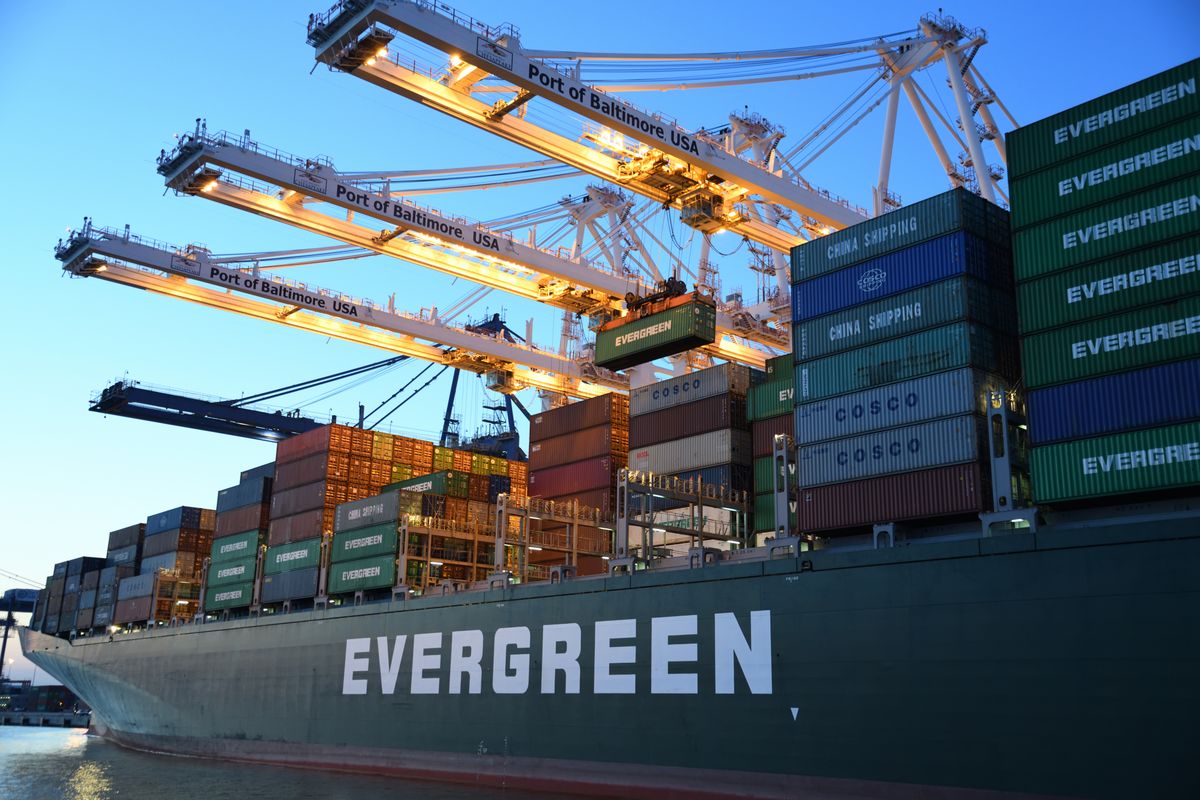
The nine flagship zones
Rather than treating all of Johor uniformly, the JS-SEZ is organised around nine designated flagship zones, each with a strategic specialisation. Locating in the right flagship area matters, because some tailor-made incentives and infrastructure are tied to specific zones.
| Flagship zone | Broad focus |
|---|---|
| Johor Bahru Waterfront | Financial services, tourism, mixed-use urban development |
| Iskandar Puteri | Corporate HQ, professional and digital services, education |
| Tanjung Pelepas (PTP) | Ports, logistics, transhipment and trade |
| Tanjung Langsat – Kong-Kong | Petrochemicals, energy, heavy industry |
| Senai – Skudai | Aerospace, high-tech manufacturing, airport-linked logistics |
| Kulai – Sedenak | Data centres, digital economy, advanced manufacturing |
| Desaru – Penawar | Tourism, health and wellness, hospitality |
| Forest City | Special Financial Zone, finance, family offices, fintech |
| Pengerang | Petrochemicals, oil & gas, integrated energy |
The headline incentive: 5% corporate tax for up to 15 years
The centrepiece of the package is a special corporate income-tax rate of 5% for up to 15 years for companies undertaking new investment in qualifying high-value manufacturing and services activities within the JS-SEZ. Against Malaysia's standard corporate rate of 24%, that is a reduction of nearly 80% on qualifying income — sustained for a decade and a half.
The qualifying activities are deliberately skewed toward advanced, high-value industries that Malaysia wants to attract rather than commodity assembly. Announced target sectors include:
- AI and quantum-computing supply chain activities;
- Medical devices manufacturing;
- Aerospace manufacturing and MRO;
- Global Services Hub operations (regional headquarters, shared services, high-value business services);
- other advanced manufacturing and services activities approved by MIDA under the scheme.
The rate and duration are not automatic — they depend on the activity, the quantum of new investment, headcount and value-add commitments, and MIDA's assessment. Some flagship zones and activities carry additional tailor-made incentives layered on top.

The knowledge-worker incentive: 15% personal tax
To make it realistic to base senior talent in Johor rather than commuting from Singapore, the package adds a flat 15% personal income-tax rate for up to 10 years for eligible knowledge workers employed by approved JS-SEZ companies in qualifying roles. Malaysia's normal personal income tax is progressive up to 30%, so for a well-paid engineer, manager or specialist this is a meaningful cut that improves the economics of hiring and relocating talent into the zone.
Eligibility is tied to working in a qualifying activity within a designated flagship zone, in a role that meets the "knowledge worker" definition (typically skilled, higher-salary professional and technical positions). This is separate from — and does not replace — the need for the individual to hold a valid work pass; a foreign hire still needs an Employment Pass. See our guide to the Employment Pass and 2026 salary thresholds.
Beyond tax rates: the wider package
The JS-SEZ incentives extend beyond the two headline rates. Depending on the activity and zone, approved projects may also access:
- Investment Tax Allowance (ITA)-style deductions against qualifying capital expenditure, as an alternative to the special rate for certain projects;
- Special deductions for relocation costs and for the incremental cost of setting up qualifying operations;
- Stamp-duty remission on the acquisition of commercial and industrial property in designated JS-SEZ areas;
- streamlined and coordinated approvals through a dedicated one-stop framework (Invest Malaysia Facilitation Centre – Johor) intended to compress the licensing timeline.
| Incentive | What it offers | Duration / limit |
|---|---|---|
| Special corporate tax rate | 5% on qualifying income (vs 24% standard) | Up to 15 years |
| Knowledge-worker personal tax | Flat 15% (vs up to 30%) | Up to 10 years |
| Investment Tax Allowance (alt.) | Allowance on qualifying capex | Per approval |
| Relocation / setup deductions | Special deductions on qualifying costs | Per approval |
| Stamp-duty remission | On commercial/industrial property in-zone | Per scheme rules |
| Application window (MIDA) | Submit applications to MIDA | 1 Jan 2025 – 31 Dec 2034 |
Who should look hardest at the JS-SEZ
The JS-SEZ is not a fit for every foreign investor. It rewards a specific profile:
- High-value manufacturers — medical devices, aerospace parts, semiconductor and electronics supply-chain, AI/quantum hardware — that need land, power and a skilled workforce at a fraction of Singapore's cost.
- Data-centre and digital-infrastructure operators drawn to Kulai-Sedenak, where power availability and land have already pulled in major hyperscale investment.
- Regional services and headquarters operations that can run a Global Services Hub in Iskandar Puteri while keeping a client-facing presence in Singapore.
- Finance, fund and family-office structures targeting the Forest City Special Financial Zone — the single family office scheme there now carries a 0% rate for up to twenty years, and we set out its conditions and real running cost in the Forest City single family office guide.
- Chinese manufacturers restructuring supply chains toward Southeast Asia who want a Singapore-adjacent base with genuine tax relief rather than a pure low-cost assembly site.
If your project is small, low-margin, or purely domestic-market-facing, the standard SME tax rates and a conventional Sdn. Bhd. setup will usually serve you better than chasing an incentive designed for capital-intensive, export-oriented, high-value activity.

How a foreign investor actually gets in
Securing JS-SEZ incentives is a structured process, and the tax rate is granted to the operating entity — so the corporate setup has to come first. The typical path:
- Incorporate a Malaysian entity. Most foreign investors set up a locally-incorporated Sdn. Bhd. — even at 100% foreign ownership — rather than a branch, because it is the vehicle that holds the incentive, employment passes and property. See our Sdn Bhd incorporation guide and the comparison of Sdn Bhd vs. branch and other structures.
- Define the qualifying activity and flagship zone. Confirm the activity falls within a promoted JS-SEZ sector and select the flagship zone that fits it, with the land or premises to match.
- Prepare the investment case. MIDA assesses new investment quantum, job creation (including knowledge-worker roles), value-add and technology. A credible business plan and financial projections are essential.
- Apply to MIDA under the JS-SEZ scheme within the 2025–2034 window, coordinating any activity-specific licences (for example a manufacturing licence where required).
- Licence the premises with the local council. The incentive does not open the doors: each factory, office or shop in the zone still needs a business licence from its Johor council — see our Johor business licence guide.
- Secure work passes and structure payroll for knowledge workers so the 15% personal rate applies to eligible staff.
- Comply and report. The incentive comes with conditions — investment, hiring and operational commitments — that must be met and evidenced to keep the rate.
JS-SEZ vs. the New Investment Incentive Framework
The JS-SEZ sits alongside Malaysia's broader New Investment Incentive Framework (NIF), which reshaped national manufacturing incentives around outcome-based scoring. The two are not mutually exclusive, but they answer different questions: the NIF governs national-level incentives across Malaysia, while the JS-SEZ offers a location-specific, cross-border package tied to Johor's flagship zones and the Singapore linkage. For a project that could plausibly sit in Johor, the JS-SEZ's 5%/15-year rate is often more generous than what a comparable project would obtain elsewhere — which is precisely the point of the zone. A proper structuring exercise should model both routes side by side before committing.
The bottom line
The JS-SEZ is Malaysia's most ambitious attempt yet to convert its proximity to Singapore into inbound high-value investment — and for the right project, the incentives are genuinely market-leading. A 5% corporate rate for 15 years and a 15% knowledge-worker rate can transform the economics of a manufacturing or services base, especially for Chinese and other foreign investors rebuilding supply chains around Southeast Asia. But the incentives reward substance: real new investment, real jobs, real high-value activity in the right flagship zone. Getting the entity, the zone, the activity classification and the MIDA application right — in the correct order — is what turns a headline rate into a locked-in advantage. If you are weighing a Johor base, the time to scope it is now, while the application window is wide open and the best flagship-zone positions are still available.
ONEKEY BIZ helps foreign investors structure, incorporate and apply for JS-SEZ and MIDA incentives end to end — from choosing the flagship zone to the Sdn. Bhd. setup, work passes and incentive application. Talk to our team or explore our investment incentive services.
Frequently asked questions
What is the JS-SEZ corporate tax rate and how long does it last?
Companies making new investment in qualifying high-value manufacturing and services activities within the JS-SEZ can access a special corporate income-tax rate of 5% for up to 15 years, against Malaysia's standard 24% rate. The rate is not automatic — it depends on the activity, the quantum of new investment, job creation, value-add and MIDA's approval. Applications are made to MIDA between 1 January 2025 and 31 December 2034.
Which activities qualify for the 5% rate?
The package targets high-value sectors rather than commodity assembly. Announced qualifying activities include AI and quantum-computing supply chain, medical devices manufacturing, aerospace manufacturing and MRO, and Global Services Hub operations (regional HQ, shared services, high-value business services), plus other advanced manufacturing and services approved by MIDA. Each of the nine flagship zones has its own sector focus, so the activity and location should be matched.
Is there a personal tax incentive for staff in the JS-SEZ?
Yes. Eligible 'knowledge workers' employed by approved JS-SEZ companies in qualifying roles can enjoy a flat 15% personal income-tax rate for up to 10 years, versus Malaysia's normal progressive rate of up to 30%. This is separate from the individual's work-pass requirement — a foreign hire still needs an Employment Pass.
Should a foreign investor set up a Sdn Bhd or a branch to access JS-SEZ incentives?
Most foreign investors incorporate a locally-registered Sdn. Bhd. — even at 100% foreign ownership — because it is the vehicle that holds the incentive, employment passes and property. The corporate setup comes first; the incentive is granted to the operating entity. Choosing the right flagship zone, defining the qualifying activity and preparing a credible investment case for MIDA are the key steps to a successful application.
Related services
We handle the process described in this article end-to-end.
- Manufacturing Licence (ICA 1975) ApplicationApply for a MIDA Manufacturing Licence under ICA 1975.
- Exemption from Manufacturing Licence (ICA 1975)Confirmation letter of ML exemption for smaller manufacturers.
- Investment Tax Allowance (ITA) ApplicationApply for the Investment Tax Allowance under Malaysia's New Investment Incentive Framework.
Sources & references
This article is general information only, not legal, tax or immigration advice. Policies, thresholds and official fees are set by the relevant Malaysian authorities and may change. Talk to our consultants about your specific situation.