Case Study · DBKL Restaurant Business Licence
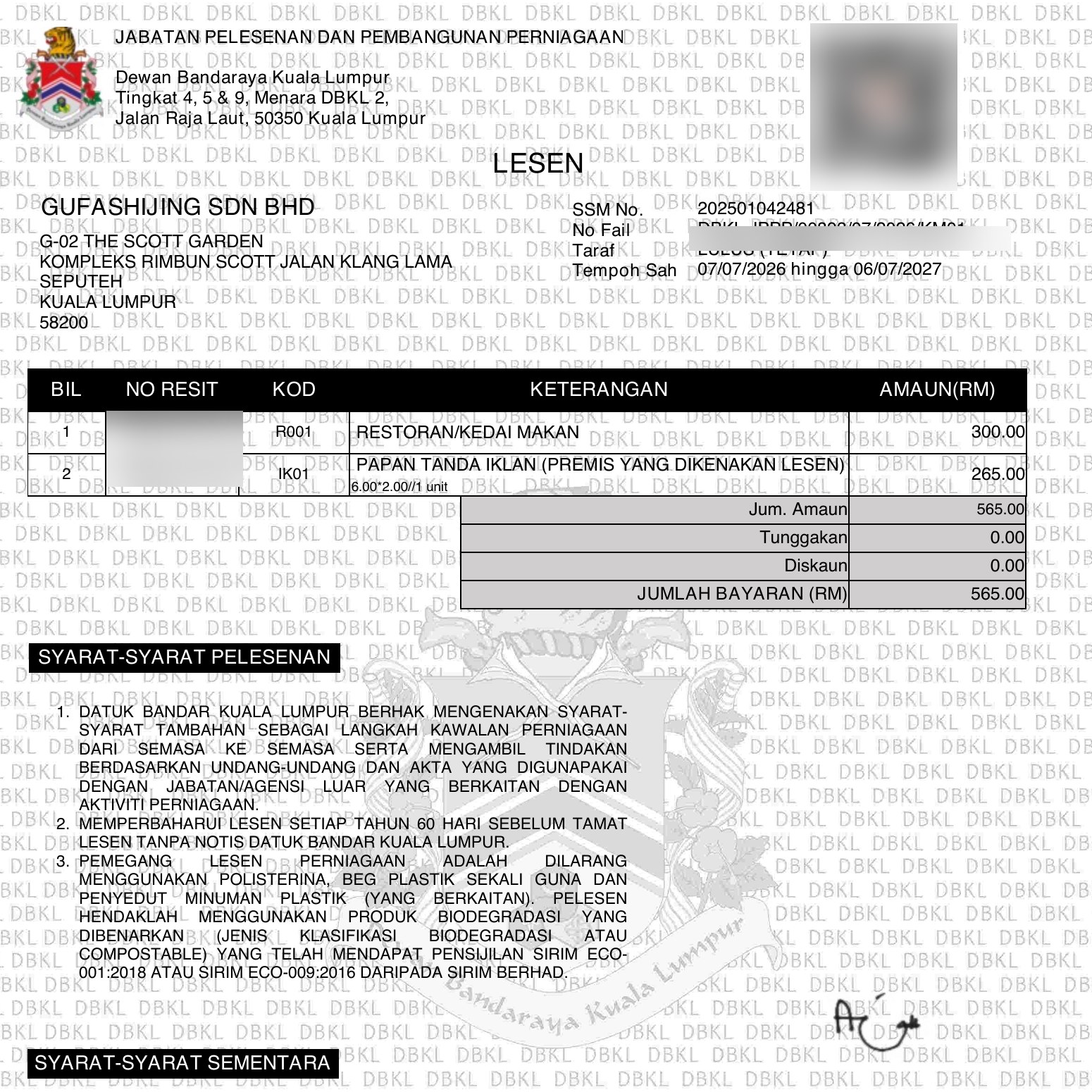
GUFASHIJING SDN. BHD. brought 冒尖儿 — a Sichuan "gujing" street-market hotpot brand — from Sichuan to Kuala Lumpur. ONEKEY BIZ secured its DBKL restaurant business licence in about a week, before opening, so the team could build out the shop to spec during renovation and open fully licensed — no scrambling, no operating-without-licence fines. We also walked them through the DBKL food-premises conditions most owners never hear about.
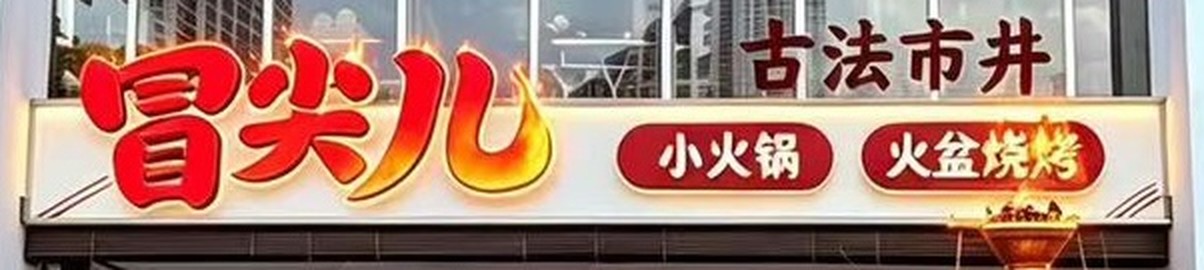
GUFASHIJING SDN. BHD. (Company No. 202501042481) is the Malaysian home of 冒尖儿 — a Chinese-owned hotpot brand built on Sichuan's "gujing" (古法市井) street-market tradition: old-method broths, a lively market-stall feel, mini hotpots and brazier grill, at an everyday price point.
The founders wanted to bring the taste of Sichuan to Kuala Lumpur, and after a long search for the right partner they chose ONEKEY BIZ to handle the licensing. The restaurant sits at G-02, The Scott Garden, Jalan Klang Lama, Seputeh — right in DBKL territory, where a proper business licence is non-negotiable.
Our pitch was simple: get the DBKL licence in your hand first — in about a week — then finish the restaurant to spec during the fit-out. That way the shop opens fully licensed, and the owners skip the messy, stressful scramble that catches so many new F&B operators.

Most new restaurants leave the licence to the very end and rush it after renovation — then open exposed. We flip the order, and it takes the stress out of the whole opening.
Our strength is speed: we get the DBKL business licence approved in roughly a week, so it's secured long before opening day rather than holding everything up at the end.
With the licence already in hand, the team completes the restaurant's conditions calmly during renovation — the grease trap, extinguishers, pest control and the rest — instead of racing the clock.
Trading without a licence is exactly what draws enforcement and fines when officers inspect. Opening already licensed means the doors open clean — no penalties hanging over day one.
A DBKL food-premises licence isn't just a form — it comes with real, physical conditions. We know them cold, so nothing surprises the client at inspection. Here are five that catch people out.
Every food handler must complete a recognised food-handling course (Kursus Pengendali Makanan) — a core DBKL requirement for a food premises.
All staff + directorsEveryone working in the premises must take a typhoid (anti-typhoid) injection at a nearby clinic and keep the record — again, staff and directors alike.
All staff + directorsThe kitchen must have a grease trap (grease interceptor) installed so kitchen waste and oil don't go straight into the drains — a standard DBKL kitchen condition.
Kitchen fit-outThe premises must have at least two fire extinguishers, each with a valid Bomba (Fire & Rescue) certificate — not just any unit off the shelf.
Safety fit-outBefore opening, the premises must undergo a pest-control treatment — proof that the shop is starting clean. Miss it, and it can hold up the licence sign-off.
Before openingWe prepared and lodged the DBKL application and had the restaurant (Restoran/Kedai Makan) and signboard licence approved in about a week, with a LULUS (TETAP) — approved, permanent — status.
We laid out exactly what DBKL requires — food-handling course, typhoid jabs, grease trap, two Bomba-certified extinguishers, pest control — and who on the team needs what, so the fit-out ticked every box.
冒尖儿 opened its doors already licensed and meeting DBKL's conditions — no last-minute panic, no operating-without-licence exposure, and a clear path to renew each year.
Dewan Bandaraya Kuala Lumpur (DBKL) — Jabatan Pelesenan & Pembangunan Perniagaan
A clear, four-step path from application to a fully licensed opening — licence early, conditions met during fit-out.
We assessed the premises and the concept, prepared the DBKL application for the restaurant and signboard, and lodged it — before renovation was even finished.
→DBKL approved the licence with a LULUS (TETAP) status in about a week — secured well before opening day.
→During renovation the team completed the food-handling course and typhoid jabs, and installed the grease trap, Bomba-certified extinguishers and pest control.
→冒尖儿 opened its doors licensed and compliant — no fine risk, and a clean base to renew the licence each year.
Opening an F&B outlet in Malaysia? These are the services we ran for 冒尖儿 — and can run for you.
Restaurant and food-premises licences, signboard permits and every condition that comes with them — approved fast, so you open clean.
Explore service → Business foundationSdn Bhd incorporation, corporate secretary and compliance — the legal base a foreign-owned F&B brand needs before it opens.
Explore service → More F&B casesFrom hotpot and tea brands to spas and head-spas — see how we've licensed food and beverage outlets across Kuala Lumpur and beyond.
Browse case studies →